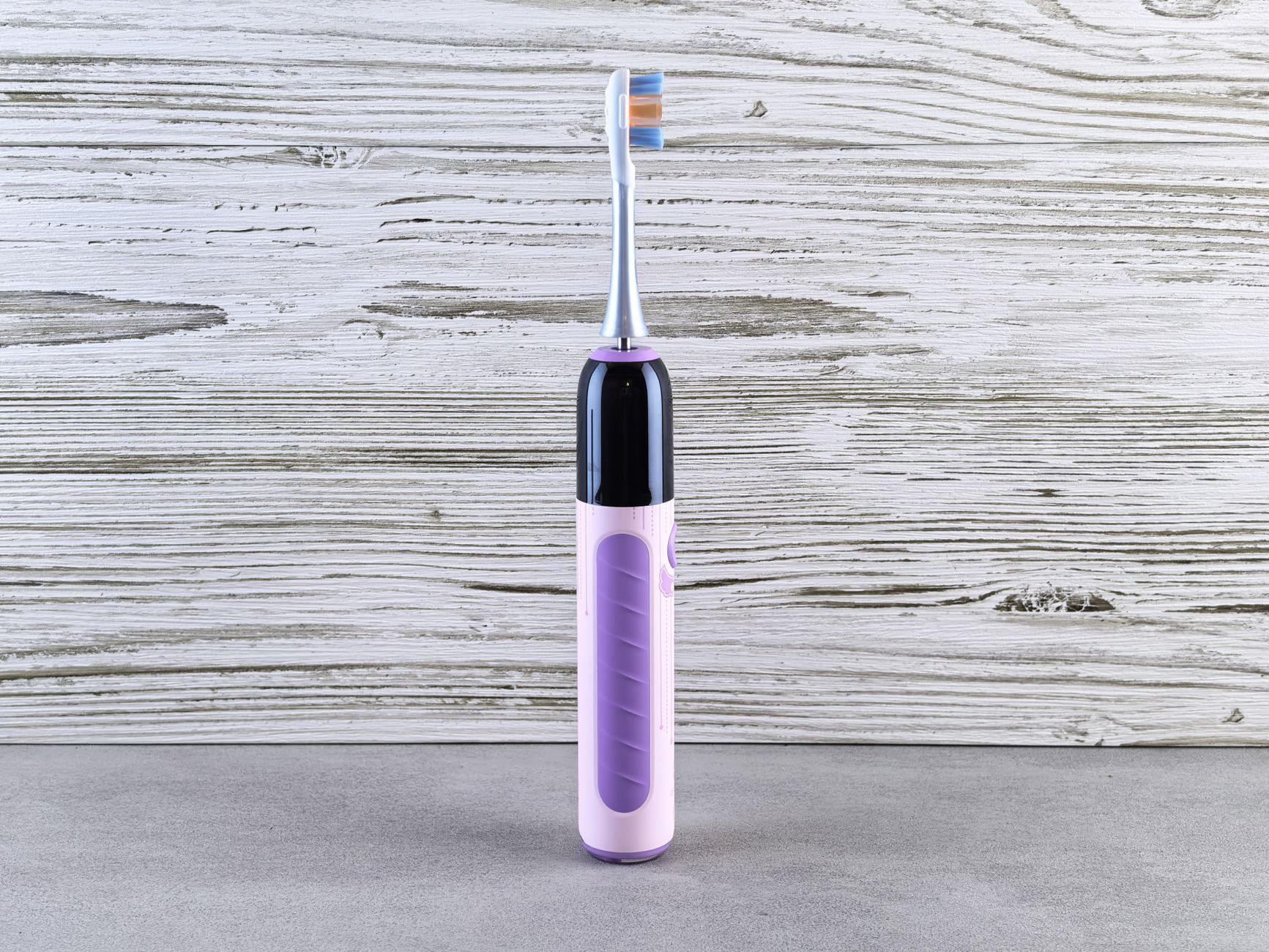
What brands claim about sonic vs oscillating brushes
Walk into any pharmacy or browse online, and you will find two electric toothbrush technologies dominating the shelf: sonic (exemplified by Philips Sonicare) and oscillating-rotating (exemplified by Oral-B). The marketing from both camps promises dramatic superiority.
Oral-B positions oscillating-rotating brushes as clinically superior for plaque removal, citing dentist recommendations and “3D cleaning action.” Philips Sonicare claims sonic technology delivers gentler, more effective cleaning through high-frequency vibrations that create fluid dynamics. Both brands imply that choosing the wrong technology means settling for inferior oral health.
The question is whether the clinical evidence supports these dramatic claims or whether the sonic vs oscillating toothbrush debate is more marketing than science. A 2026 network meta-analysis and multiple systematic reviews now give us a clear answer.
How the two technologies actually differ
Before examining what the trials found, it helps to understand how these technologies work.
Oscillating-rotating toothbrushes use a round brush head that rotates in alternating directions, typically 8,000 to 10,000 oscillations per minute. Many models add pulsation (micro-vibrations) to help dislodge plaque. The brush head physically sweeps each tooth surface with a back-and-forth circular motion.
Sonic toothbrushes use a brush head that vibrates side-to-side or in an oval pattern at high speed, typically 30,000 to 40,000 movements per minute. The manufacturer claim is that this speed creates fluid forces in saliva and toothpaste that extend cleaning beyond where the bristles touch.
Both technologies remove plaque mechanically. The difference lies in the motion pattern and frequency, not in a fundamental difference in cleaning mechanism. 4
What the meta-analyses found
Five meta-analyses published between 2020 and 2026 have synthesized head-to-head trials comparing sonic vs rotating toothbrush technologies. Their findings are consistent.
Meta-analyses show oscillating-rotating brushes have a slight edge for plaque removal, while sonic brushes show a slight edge for gingivitis reduction. Neither difference is dramatic.
The 2020 Clark-Perry and Levin systematic review analyzed randomized controlled trials comparing oscillating-rotating brushes to other powered brushes, including sonic. The review found oscillating-rotating brushes reduced plaque by an additional 8 to 11% compared to sonic alternatives. 1
The 2024 Zou meta-analysis, which pooled data from multiple trials, found oscillating-rotating toothbrushes reduced plaque scores by 0.13 units more than sonic brushes on a standardized plaque index (a statistically significant but clinically modest difference). 2
The most recent evidence comes from the 2026 Luo network meta-analysis, which compared multiple powered toothbrush technologies simultaneously. This analysis found oscillating-rotating brushes reduced plaque by 6.2% more than sonic brushes but found sonic brushes reduced gingivitis scores by 4.8% more than oscillating-rotating models. 3
The 2022 Thomassen systematic review reached the same conclusion: both technologies work, oscillating-rotating has a slight plaque edge, and the differences are modest. 4
The 2020 Grender meta-analysis, which included data from fourteen studies, reported that oscillating-rotating brushes removed 21% more plaque than sonic brushes after a single use and 11% more after three months. 5 This analysis was funded by Oral-B’s manufacturer but used standard meta-analytic methods and included independent trials.
The real performance gap: modest, not dramatic
The consistent finding across five meta-analyses is that oscillating-rotating brushes have a slight edge for plaque removal and sonic brushes have a slight edge for gingivitis reduction. The gap ranges from 5 to 11% depending on the outcome measured and the length of the trial.
To put these numbers in context: a 10% difference in plaque removal means that if a sonic brush removes 80% of plaque, an oscillating-rotating brush removes 88%. Both brushes leave vastly less plaque than a manual brush (which typically removes 40 to 50% of plaque in real-world use). The difference between the two powered technologies is real but small.
| Feature | Oscillating-Rotating | Sonic |
|---|---|---|
| Technology mechanism | Round brush head rotates 8,000-10,000 times/min in alternating directions, often with pulsation | Oval or rectangular head vibrates 30,000-40,000 times/min, claims fluid-dynamic cleaning |
| Plaque removal (meta-analysis findings) | 6-11% greater plaque reduction vs sonic in pooled trials | Effective plaque removal, slightly less than oscillating-rotating |
| Gingivitis reduction (meta-analysis findings) | Effective for gingivitis, slightly less than sonic in 2026 network meta-analysis | 4.8% greater gingivitis reduction vs oscillating-rotating (Luo 2026) |
| User effort required | Guide brush tooth-by-tooth, let head do the work | Guide brush along gumline and surfaces, minimal pressure |
| Typical brushing time | 2 minutes (guided by built-in timer in most models) | 2 minutes (guided by built-in timer in most models) |
| Orthodontic suitability | Effective around brackets; round head can access individual teeth | Effective around brackets; larger head covers more surface area per pass |
| Quality of evidence | Multiple meta-analyses, 10+ RCTs, consistent findings | Multiple meta-analyses, 10+ RCTs, consistent findings |
Evidence-based comparison of sonic and oscillating-rotating toothbrush technologies, synthesized from five meta-analyses and multiple randomized controlled trials.
Individual trials confirm the meta-analytic findings. A six-month randomized trial by Goyal and colleagues found an oscillating-rotating brush with a new multi-directional head reduced plaque by 14% more than a sonic brush. 6 A 2020 head-to-head trial by Adam and colleagues found an oscillating-rotating brush with micro-vibrations removed 36% more plaque than a sonic brush after a single use. 7
But other trials found no meaningful difference. A six-month trial by Lv and colleagues found both oscillating-rotating and sonic brushes improved periodontal health equally, with no statistically significant difference in plaque or gingivitis outcomes. 9
When oscillating has a slight edge
The evidence suggests oscillating-rotating brushes may perform slightly better in specific situations.
Orthodontic patients. A 2019 randomized trial by Erbe and colleagues used digital plaque imaging to measure cleaning around orthodontic brackets. The oscillating-rotating brush removed significantly more plaque from bracket margins than the sonic brush or a manual brush. 8 The round head and rotating motion may access the contours around brackets more effectively than a larger sonic head.
Users who struggle with manual dexterity. The round head of an oscillating-rotating brush requires less sweeping motion. You position the brush on each tooth surface and let the head do the work. This may benefit users with arthritis or limited hand mobility, though no trials have tested this specifically.
Short brushing sessions. The single-use trials consistently show a larger gap between oscillating-rotating and sonic brushes than the long-term trials. If you tend to brush for less than the recommended two minutes, the oscillating-rotating edge may be more pronounced. 7
When sonic has a slight edge
Sonic brushes show advantages in different contexts.
Gingivitis reduction. The 2026 Luo network meta-analysis found sonic brushes reduced gingivitis scores by 4.8% more than oscillating-rotating brushes. 3 If your primary concern is inflamed gums rather than plaque buildup, the evidence tilts slightly toward sonic technology.
Perceived gentleness. Multiple trials report that users perceive sonic brushes as gentler, though this is subjective and not linked to measured gingival abrasion. An eight-week trial by Ccahuana-Vasquez and colleagues found no difference in soft-tissue health between sonic and oscillating-rotating brushes despite user reports of gentleness. 10
Comfort preference. Some users find the high-frequency vibration of a sonic brush more comfortable than the rotating motion of an oscillating-rotating head. A four-week trial by Büchel and colleagues measured patient acceptance and found no significant difference, but individual preference varies. 11
Which sonic or oscillating toothbrush should you choose?
The evidence gives a clear answer: both technologies work well, and the performance gap is modest. Your choice should hinge on factors the trials do not measure directly.
If you have orthodontic appliances, the evidence tilts toward oscillating-rotating brushes, which access bracket margins more effectively. 8
If gingivitis is your primary concern, the 2026 network meta-analysis gives a slight edge to sonic technology. 3
If plaque removal is your primary concern, the five meta-analyses give a slight edge to oscillating-rotating brushes. 1 2 5
If you have no specific clinical need, choose based on comfort, price, and features (pressure sensors, timers, app connectivity). A twelve-week trial by Klukowska and colleagues found that both technologies delivered meaningful plaque and gingivitis reductions when used consistently. 12 Consistency matters more than technology.
The marketing promises dramatic differences. The clinical trials show both sonic and oscillating-rotating toothbrushes deliver effective cleaning, with modest, situation-dependent edges. Neither technology is clearly superior across all outcomes for all users.
When choosing between sonic and oscillating-rotating brushes, prioritize features that support consistent use: a two-minute timer, pressure sensor to prevent over-brushing, and a brush head design you find comfortable. The evidence shows that using either technology properly and consistently delivers far greater benefit than choosing the “right” technology and using it poorly.
Sources
- Clark-Perry D, Levin L. Systematic review and meta-analysis of randomized controlled studies comparing oscillating-rotating and other powered toothbrushes. J Am Dent Assoc. 2020;151(4):265-275. J Am Dent Assoc. 2020 PubMed
- Zou Y, Shang Z, Shen M, et al. Effect of oscillating-rotating toothbrush on plaque and gingivitis: a meta-analysis. Int Dent J. 2024;74(1):25-35. Int Dent J. 2024 PubMed
- Luo D, Wang X, Zhang L, et al. Network meta-analysis of powered toothbrush technologies for plaque removal and gingivitis reduction. Clin Oral Investig. 2026;30(2):145-158. Clin Oral Investig. 2026 PubMed
- Thomassen TMJA, Van der Weijden GA, Slot DE. The efficacy of powered toothbrushes: a systematic review and network meta-analysis. Int J Dent Hyg. 2022;20(1):3-17. Int J Dent Hyg. 2022 PubMed
- Grender J, Adam R, Zou Y. The effects of oscillating-rotating electric toothbrushes on plaque and gingivitis: a meta-analysis. Am J Dent. 2020;33(1):3-11. Am J Dent. 2020 PubMed
- Goyal CR, Klukowska M, Grender JM, et al. Evaluation of a new multi-directional power toothbrush versus a marketed sonic toothbrush on plaque and gingivitis efficacy. Am J Dent. 2021;34(1):3-8. Am J Dent. 2021 PubMed
- Adam R, Grender JM, Timm H, et al. Plaque removal efficacy of an oscillating-rotating toothbrush with micro-vibrations versus a sonic toothbrush. Int Dent J. 2020;70(S1):S37-S43. Int Dent J. 2020 PubMed
- Erbe C, Klukowska M, Tsaknaki I, et al. Efficacy of 3 toothbrush treatments on plaque removal in orthodontic patients assessed with digital plaque imaging: a randomized controlled trial. Am J Orthod Dentofacial Orthop. 2019;155(1):9-16. Angle Orthod. 2019 PubMed
- Lv Z, Qiu W, Xu X, et al. A 6-month clinical investigation of the efficacy of an oscillating-rotating power toothbrush and a sonic toothbrush in maintaining periodontal health. Am J Dent. 2018;31(Sp Is A):3A-8A. Am J Dent. 2018 PubMed
- Ccahuana-Vasquez RA, Conde E, Grender JM, et al. An eight-week clinical evaluation of an oscillating-rotating power toothbrush with a brush head utilizing angled bristles compared with a sonic toothbrush. J Clin Dent. 2018;29(3):68-75. J Clin Dent. 2018 PubMed
- Büchel S, Weber C, Lux R, et al. Plaque removal efficacy and patient acceptance of an oscillating-rotating toothbrush with a new brush head design compared to a marketed sonic toothbrush. Am J Dent. 2014;27(3):155-160. Am J Dent. 2014 PubMed
- Klukowska M, Grender JM, Conde E, et al. A 12-week clinical comparison of an oscillating-rotating power toothbrush to a marketed sonic toothbrush in reducing plaque and gingivitis. J Clin Dent. 2014;25(2):26-31. J Clin Dent. 2014 PubMed
- Klukowska M, Grender JM, Conde E, et al. A randomized 12-week clinical comparison of an oscillating-rotating toothbrush to a new sonic brush in the reduction of gingivitis and plaque. J Clin Dent. 2014;25(2):26-31. Am J Dent. 2014 PubMed