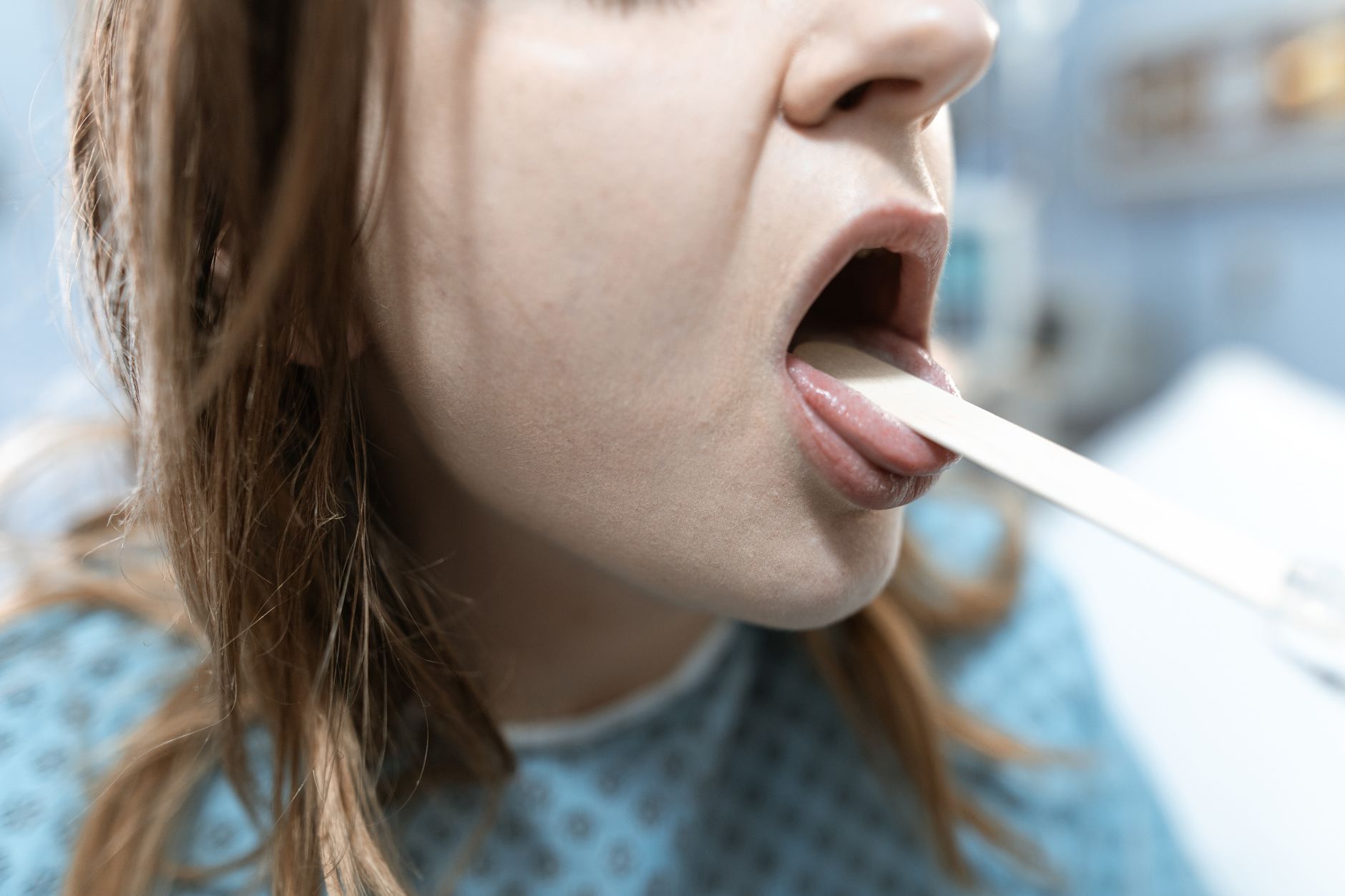
What causes dry mouth - medications, not aging
The supplement aisle and dental-office brochures suggest that dry mouth comes with age, a natural decline in saliva production. The evidence says otherwise. A 2018 systematic review and meta-analysis of 34 studies found that what causes dry mouth in older adults is not aging itself but the medications those adults take.1 When researchers controlled for medication use, age alone did not predict xerostomia risk.
The confusion is understandable. Older adults experience dry mouth at higher rates, but the correlation reflects polypharmacy, not biology. By age 65, the average American takes four to five prescription medications daily, many from drug classes that suppress salivary gland function.4 A 2017 systematic review cataloging xerostomia-inducing medications identified over 600 individual drugs across 42 therapeutic classes.2
Medications, not aging, are the primary cause of dry mouth in older adults. Systematic reviews show that when you control for medication use, age itself doesn’t increase xerostomia risk.
The mechanism varies by drug class. Anticholinergics block the muscarinic receptors that stimulate saliva secretion. Antihypertensives reduce salivary flow by altering vascular perfusion to the glands. Diuretics decrease overall body fluid volume, including saliva. The effect is dose-dependent: the more medications you take, the higher your risk.3
This matters because the marketing solution (a moisturizing mouth spray sold as an age-related inevitability) addresses the wrong problem. The clinical solution starts with a medication review.
What prescription drugs and over-the-counter medications trigger it
Not all medications carry equal risk. A 2016 World Workshop on Oral Medicine systematic review graded the evidence for 42 drug classes, finding strong clinical evidence for anticholinergics, antidepressants, antihypertensives, and antihistamines.3 Many over-the-counter medications also induce xerostomia, a side effect rarely disclosed on the package.
| Drug class | Common examples | Mechanism | Evidence strength |
|---|---|---|---|
| Anticholinergics | Oxybutynin, tolterodine, diphenhydramine | Block muscarinic receptors that trigger saliva secretion | Strong (systematic review) |
| Tricyclic antidepressants | Amitriptyline, nortriptyline, imipramine | Anticholinergic and adrenergic effects reduce gland stimulation | Strong (meta-analysis) |
| SSRIs and SNRIs | Sertraline, citalopram, venlafaxine | Serotonin and norepinephrine modulation affects autonomic control | Moderate (multiple RCTs) |
| Antihypertensives | Clonidine, methyldopa, ACE inhibitors, beta blockers | Reduced vascular perfusion to salivary glands | Moderate (observational) |
| Diuretics | Furosemide, hydrochlorothiazide | Decreased total body water including saliva volume | Moderate (observational) |
| Antihistamines (H1) | Diphenhydramine, loratadine, cetirizine | Anticholinergic side effects | Moderate (case reports, small trials) |
| Opioid analgesics | Oxycodone, tramadol, codeine | Centrally mediated reduction in salivary reflexes | Moderate (observational) |
| Benzodiazepines | Diazepam, lorazepam, alprazolam | GABAergic suppression of autonomic function | Low to moderate (case series) |
Medication classes associated with xerostomia, graded by evidence strength. Data from systematic reviews (citations 1, 2, 3).
The table shows strong evidence for anticholinergics and tricyclic antidepressants, which is why a 2023 systematic review focusing on polypharmacy found that older adults taking five or more medications had a 3.2-fold higher risk of severe xerostomia compared to those taking none.4 The risk compounds: each additional anticholinergic medication increases xerostomia prevalence by 12 to 19 percent.1
Over-the-counter sleep aids (diphenhydramine, doxylamine) and allergy medications (first-generation antihistamines) appear frequently in the medication histories of patients reporting dry mouth, yet consumers rarely connect the symptom to the drug. A 2023 systematic review found that medication-induced xerostomia is also associated with orofacial pain, suggesting that the discomfort extends beyond the sensation of dryness itself.5
What’s missing from most conversations: whether the benefit of the medication outweighs the burden of the side effect. For some drugs (anticholinergics for overactive bladder, tricyclics for neuropathic pain), alternatives exist. For others (diuretics for heart failure), the dry mouth is a trade-off worth making. The clinical task is to distinguish between the two.
What causes dry mouth at night and during sleep
Many people report that what causes dry mouth at night or what causes dry mouth while sleeping differs from daytime symptoms. The evidence points to three overlapping mechanisms: mouth breathing, positional changes in salivary gland function, and the circadian rhythm of saliva production.
Healthy adults produce 0.3 to 0.4 milliliters of saliva per minute during sleep, roughly half the unstimulated daytime rate.22 Saliva secretion follows a circadian pattern, lowest between midnight and 6 a.m., which is why morning breath and morning dry mouth are universal even in people without xerostomia.
Mouth breathing during sleep accelerates moisture loss. The oral mucosa loses water to evaporation at a rate proportional to airflow. Sleep-disordered breathing (snoring, obstructive sleep apnea) forces mouth breathing for hours, compounding the effect. A clinical trial of older adults found that self-reported nighttime dry mouth correlated with witnessed snoring and daytime sleepiness, suggesting undiagnosed sleep apnea as a contributing cause.13
Medications taken at bedtime (sedatives, antihypertensives, antidepressants) peak in serum concentration during the night, which is when their anticholinergic or adrenergic effects on saliva production are strongest. What causes dry mouth when sleeping is often the same medication that causes daytime xerostomia, but the symptom feels worse at night because you’re not swallowing, talking, or drinking water to compensate.
Positional changes also matter. Lying supine reduces gravitational drainage of saliva from the glands and shifts fluid distribution in the body, slightly decreasing salivary flow. This is why some patients report worse symptoms when sleeping flat compared to propped up on pillows.
The distinction matters for treatment. If what causes dry mouth at night is primarily mouth breathing, addressing the airway obstruction (CPAP for apnea, nasal dilators for congestion) can improve symptoms without adding another medication. If it’s medication timing, splitting the dose or switching to a morning administration sometimes helps. If it’s circadian physiology, saliva substitutes used before bed and a glass of water on the nightstand are the practical interventions.
The treatments that work (and the ones with weak evidence)
The clinical question is whether to stimulate residual saliva production or replace what’s missing. The evidence for both approaches is mixed, and many of the products marketed for dry mouth have never been tested in rigorous trials.
A 2025 systematic review and meta-analysis of topical treatments in older adults found that saliva substitutes (gels, sprays, rinses) provided modest symptom relief compared to placebo, but the effect size was small and short-lived, typically under two hours.8 A 2018 crossover trial comparing two commercial saliva-substitute systems (GUM Hydral and Biotène Oralbalance) found no clinically meaningful difference between them, both improved comfort for 60 to 90 minutes but neither increased measurable salivary flow.10
Saliva stimulants (cholinergic drugs that activate the glands) work only if the glands retain some function. Pilocarpine, a muscarinic agonist, is FDA-approved for radiation-induced and Sjögren’s-syndrome xerostomia. Two Cochrane reviews found that pilocarpine increased salivary flow in head-and-neck cancer patients after radiation, but the benefit was inconsistent and side effects (sweating, nausea, frequent urination) led to discontinuation in 10 to 18 percent of patients.71112
For medication-induced xerostomia, where the glands are intact but suppressed, pilocarpine’s efficacy is less clear. A 2018 randomized controlled trial in Sjögren’s patients found that pilocarpine was no more effective than artificial saliva for subjective symptom relief, though it did increase objective flow rates.9 The disconnect (more saliva doesn’t always mean less discomfort) appears repeatedly in the literature.
| Treatment type | Examples | What evidence shows | Limitations |
|---|---|---|---|
| Saliva substitutes (topical) | Biotène gel, Oasis spray, GUM Hydral rinse | Modest symptom relief for 60-90 minutes, no increase in flow | Effect wears off quickly, requires frequent reapplication |
| Cholinergic stimulants (systemic) | Pilocarpine 5 mg tablets, cevimeline capsules | Increases salivary flow in patients with residual gland function | Side effects (sweating, nausea) in 10-18%, no benefit if glands are destroyed |
| Sugar-free gum or lozenges | Xylitol gum, maltitol lozenges | Stimulates saliva mechanically, reduces caries risk if used regularly | Requires ability to chew, works only during use |
| Natural product rinses | Olive oil, linseed extract, aloe vera gel | One RCT showed aloe-linseed rinse = artificial saliva for symptom relief | Single small trial, no replication |
| Acupuncture | Traditional or electro-acupuncture, 2-3x per week | Meta-analysis: improved flow and symptoms in radiation patients | Moderate heterogeneity, unclear long-term durability |
| Photobiomodulation (low-level laser) | Intraoral or extraoral laser, 3-5 sessions per week | 2026 meta-analysis: improved salivary flow and reduced xerostomia scores | Most evidence from radiation patients, optimal protocol unclear |
Treatment options for xerostomia, what the evidence shows, and practical limitations. Data from citations 6-21, 26-28.
Sugar-free gum stimulates saliva mechanically. A 2012 randomized trial in community-dwelling older adults found that chewing sugar-free gum three times daily for 12 weeks improved self-reported dry mouth and quality of life, though objective flow rates increased only modestly.13 Xylitol and maltitol gums also reduce caries risk, which matters because dry mouth dramatically increases cavity incidence.1424
For radiation-induced xerostomia, newer interventions show promise. A 2025 meta-analysis of acupuncture trials found that patients receiving acupuncture had higher salivary flow rates and lower symptom scores than controls, though the quality of evidence was moderate and the optimal treatment protocol remains undefined.18 A 2026 systematic review of photobiomodulation (low-level laser therapy) similarly found benefits for salivary flow and quality of life in head-and-neck cancer patients, but nearly all trials were small and unblinded.19
What about the natural products advertised for dry mouth? A 2017 randomized, placebo-controlled trial tested a linseed-and-aloe rinse and found it equivalent to artificial saliva for symptom relief, but the trial enrolled only 60 patients and has not been replicated.26 A 2019 systematic review of interventions for Sjögren’s syndrome found insufficient evidence to recommend any herbal or homeopathic product.27
The honest summary: saliva substitutes work briefly, cholinergic drugs work sometimes with side effects, mechanical stimulation (gum, lozenges) works while you’re using it, and emerging therapies (acupuncture, laser) show early promise but lack definitive protocols. No treatment eliminates the symptom, which is why the first question remains whether the underlying medication can be changed.
What side effects and complications to watch for
The immediate discomfort of dry mouth (difficulty swallowing, speaking, tasting) is obvious. The long-term complications are not, and they’re the reason xerostomia is a clinical problem rather than merely an annoyance.
Saliva is not just moisture. It buffers acid, remineralizes enamel, and delivers antimicrobial proteins (lysozyme, lactoferrin, immunoglobulin A) that suppress bacterial overgrowth. When saliva production drops below 0.1 milliliters per minute (severe hyposalivation), the oral environment shifts toward caries-causing bacteria like Streptococcus mutans.22
A 2026 umbrella review of oral complications in head-and-neck cancer patients found that xerostomia doubled the incidence of new cavities within two years, with lesions appearing in atypical locations (incisal edges, cusp tips) where decay is rare in healthy adults.25 A 2026 systematic review of preventive dental treatment in radiation patients concluded that intensive fluoride application and dietary counseling reduced caries incidence by 40 to 60 percent, but the need for intervention itself signals the magnitude of the risk.24
Fungal infections are another complication. Candida species thrive in a dry mouth, causing angular cheilitis (cracked corners of the mouth), denture stomatitis, and oral thrush. A 2025 review of chronic oral complications noted that recurrent candidiasis in xerostomia patients often requires long-term antifungal suppression, not just episodic treatment.23
Medication-induced xerostomia also correlates with orofacial pain. A 2023 systematic review found that patients with dry mouth reported higher rates of burning mouth syndrome, mucosal sensitivity, and temporomandibular joint discomfort, though the mechanism linking reduced saliva to pain perception is not fully understood.5
The psychological burden is measurable. A 2023 systematic review of older adults with polypharmacy found that severe xerostomia correlated with social withdrawal, depression, and reduced dietary variety (patients avoided foods they couldn’t chew or swallow comfortably).4
What to watch for:
- New cavities, especially on root surfaces or smooth enamel
- White patches or red, painful mucosa (candidiasis)
- Difficulty wearing dentures (loss of moisture breaks the seal)
- Worsening bad breath despite good hygiene
- Weight loss from avoiding dry or tough foods
The complications are preventable but not reversible. Once enamel demineralizes or a fungal infection establishes itself, treatment is harder than prevention. This is why the dry mouth treatment over the counter aisle, stocked with moisturizing sprays, misses the point. The task is not just comfort, it’s caries and infection control.
Where to buy tools that help manage complications
No product cures dry mouth. The condition resolves when the underlying cause (medication, radiation damage, autoimmune disease) is addressed, which is often not possible. What you can buy are tools that manage the complications: bacterial overgrowth, infection risk, and discomfort.
The fluoride question comes first. If you have xerostomia, your dentist will likely recommend a prescription-strength fluoride gel (5,000 ppm) used daily. Over-the-counter fluoride rinses (0.05% sodium fluoride) are weaker but still beneficial if used twice daily. The evidence shows that high-concentration fluoride reduces caries incidence by 40 to 60 percent in xerostomia patients.24
For bacterial control, the focus shifts to the toothbrush itself. Dry mouth increases bacterial load on the brush, and reintroducing that bacteria twice a day compounds the problem. UV-C toothbrush sanitizers address this by killing bacteria on the bristles between uses.
Bril (Portable UV-C toothbrush sanitizer, $29.99). Where to buy →
Why this matters for dry mouth specifically: A dry oral environment can’t rinse bacteria off the brush during use, so the bristles carry a higher microbial load. UV-C sanitation disrupts that cycle. This doesn’t treat xerostomia, it manages one consequence (increased caries and infection risk) by reducing the bacterial reintroduction that healthy saliva would normally suppress.
The honest limitation: Sanitizing your toothbrush doesn’t increase saliva production or improve comfort. It’s a second-line defense when the first line (saliva’s natural antimicrobial action) is compromised. If you’re not experiencing recurrent cavities or gum infections, the benefit is marginal.
What we don’t sell: Saliva substitutes, cholinergic drugs, xylitol gum, or fluoride gels. Those are available at any pharmacy or by prescription. We’re not affiliated with or endorsed by any professional dental organization. The product above is how this site earns revenue. We run no display ads and sell no other products.
For symptom relief, over-the-counter saliva substitutes (Biotène, Oasis, Act Dry Mouth lozenges) are inexpensive and widely available. The evidence says they all work similarly: 60 to 90 minutes of relief, no increase in flow, frequent reapplication needed.810 Choose whichever format (gel, spray, lozenge) you find least inconvenient.
If you’re considering pilocarpine or cevimeline, that conversation happens with your prescriber. The side effects (sweating, nausea, diarrhea) are dose-dependent, and the benefit depends on whether your salivary glands retain function. The systematic reviews show it works for some patients and not others, there’s no way to predict response before trying it.7911
The prevention hierarchy for xerostomia complications is medication review first (can the drug causing it be changed?), fluoride second (prescription strength if possible), saliva substitutes third (for comfort), and sanitizing tools fourth (if recurrent infections are a problem). Products that skip straight to comfort without addressing caries risk are solving the wrong problem.
Sources
- Tan ECK et al. Medications That Cause Dry Mouth As an Adverse Effect in Older People: A Systematic Review and Metaanalysis. J Am Geriatr Soc, 2018. J Am Geriatr Soc PubMed
- Wolff A et al. A Guide to Medications Inducing Salivary Gland Dysfunction, Xerostomia, and Subjective Sialorrhea: A Systematic Review. Drugs R D, 2017. Drugs R D PubMed
- Villa A et al. World Workshop on Oral Medicine VI: a systematic review of medication-induced salivary gland dysfunction. Oral Dis, 2016. Oral Dis PubMed
- Cannon I et al. From Drugs to Dry Mouth: A Systematic Review Exploring Oral and Psychological Health Conditions Associated with Dry Mouth in Older Adults with Polypharmacy. Drugs Aging, 2023. Drugs Aging PubMed
- Kohli D et al. Association between medication-induced xerostomia and orofacial pain: a systematic review. Quintessence Int, 2023. Quintessence Int PubMed
- Riley P et al. Pharmacological interventions for preventing dry mouth and salivary gland dysfunction following radiotherapy. Cochrane Database Syst Rev, 2017. Cochrane Database Syst Rev PubMed
- Davies AN, Thompson J. Parasympathomimetic drugs for the treatment of salivary gland dysfunction due to radiotherapy. Cochrane Database Syst Rev, 2015. Cochrane Database Syst Rev PubMed
- Spirig L et al. Efficacy of topical treatments for xerostomia in older adults: a systematic review and meta-analysis. J Dent, 2025. J Dent PubMed
- Cifuentes M et al. Pilocarpine and artificial saliva for the treatment of xerostomia and xerophthalmia in Sjögren syndrome: a double-blind randomized controlled trial. Br J Dermatol, 2018. Br J Dermatol PubMed
- Barbe AG et al. Efficacy of GUM® Hydral versus Biotène® Oralbalance mouthwashes plus gels on symptoms of medication-induced xerostomia: a randomized, double-blind, crossover study. Clin Oral Investig, 2018. Clin Oral Investig PubMed
- Yang WF et al. Is Pilocarpine Effective in Preventing Radiation-Induced Xerostomia? A Systematic Review and Meta-analysis. Int J Radiat Oncol Biol Phys, 2016. Int J Radiat Oncol Biol Phys PubMed
- Cheng CQ et al. Efficacy and safety of pilocarpine for radiation-induced xerostomia in patients with head and neck cancer: A systematic review and meta-analysis. J Am Dent Assoc, 2016. J Am Dent Assoc PubMed
- Al-Haboubi M et al. The potential benefits of sugar-free chewing gum on the oral health and quality of life of older people living in the community: a randomized controlled trial. Community Dent Oral Epidemiol, 2012. Community Dent Oral Epidemiol PubMed
- Thabuis C et al. Effects of maltitol and xylitol chewing-gums on parameters involved in dental caries development. Eur J Paediatr Dent, 2013. Eur J Paediatr Dent PubMed
- Shrateh ON et al. Treatment options for radiation-induced xerostomia in patients with head and neck cancer: a systematic review and meta-analysis. Br J Oral Maxillofac Surg, 2026. Br J Oral Maxillofac Surg PubMed
- Mercadante V et al. A systematic review of salivary gland hypofunction and/or xerostomia induced by non-surgical cancer therapies: prevention strategies. Support Care Cancer, 2025. Support Care Cancer PubMed
- Khamdi S et al. Non-pharmacologic interventions for management of radiation-induced dry mouth: A systematic review. Oral Dis, 2024. Oral Dis PubMed
- Tsai RY et al. Efficacy of Acupuncture in Managing Radiation-Induced Xerostomia: An Updated Meta-Analysis. Int J Med Sci, 2025. Int J Med Sci PubMed
- Pedroso MNM et al. Effects of photobiomodulation on oral mucositis, oral pain, xerostomia, salivary flow rate, and quality of life in patients with head and neck cancer: a systematic review and meta-analysis. Support Care Cancer, 2026. Support Care Cancer PubMed
- Watanapokasin N et al. As-Needed Pilocarpine for Radiation-Induced Xerostomia in Head and Neck Cancers. Laryngoscope, 2024. Laryngoscope PubMed
- Kaur H et al. Safety and efficacy of oral pilocarpine in radiation-induced xerostomia in oropharyngeal carcinoma patients. J Cancer Res Ther, 2023. J Cancer Res Ther PubMed
- da Silva JR et al. What Is the Normal Salivary Flow Rate in Healthy Adults? A Systematic Review with Meta-Analyses. JDR Clin Trans Res, 2026. JDR Clin Trans Res PubMed
- Richards ME, Brennan MT. Chronic Oral Complications of Oral Cancer Therapy. Dent Clin North Am, 2025. Dent Clin North Am PubMed
- Huang SM et al. Effect of preventive dental treatment on caries incidence in patients receiving head and neck radiation therapy: a systematic review. Discov Oncol, 2026. Discov Oncol PubMed
- Craig R et al. Oral and dental complications and management in head and neck cancer patients: An umbrella review. J Dent, 2026. J Dent PubMed
- Navarro Morante A et al. Natural products for the management of xerostomia: a randomized, double-blinded, placebo-controlled clinical trial. J Oral Pathol Med, 2017. J Oral Pathol Med PubMed
- Al Hamad A et al. Interventions for dry mouth and hyposalivation in Sjögren's syndrome: A systematic review and meta-analysis. Oral Dis, 2019. Oral Dis PubMed
- Brito-Zerón P et al. Efficacy and safety of topical and systemic medications: a systematic literature review informing the EULAR recommendations for the management of Sjögren's syndrome. RMD Open, 2019. RMD Open PubMed
- Li SS et al. Mesenchymal stem cell therapy for radiation-induced xerostomia: a systematic review and network meta-analysis. Stem Cell Res Ther, 2025. Stem Cell Res Ther PubMed